Case Study · Brand & Experiential Strategy
AARP
Earning relevance with audiences who don't yet think AARP is for them — through presence, not advertising.
Earning relevance with audiences who don't yet think AARP is for them — through presence, not advertising.
AARP is one of the most recognized organizations in America — and one of the most misunderstood. For decades, the brand has been synonymous with retirement, Medicare, and aging in its most narrow, clinical sense. That perception has become a strategic liability.
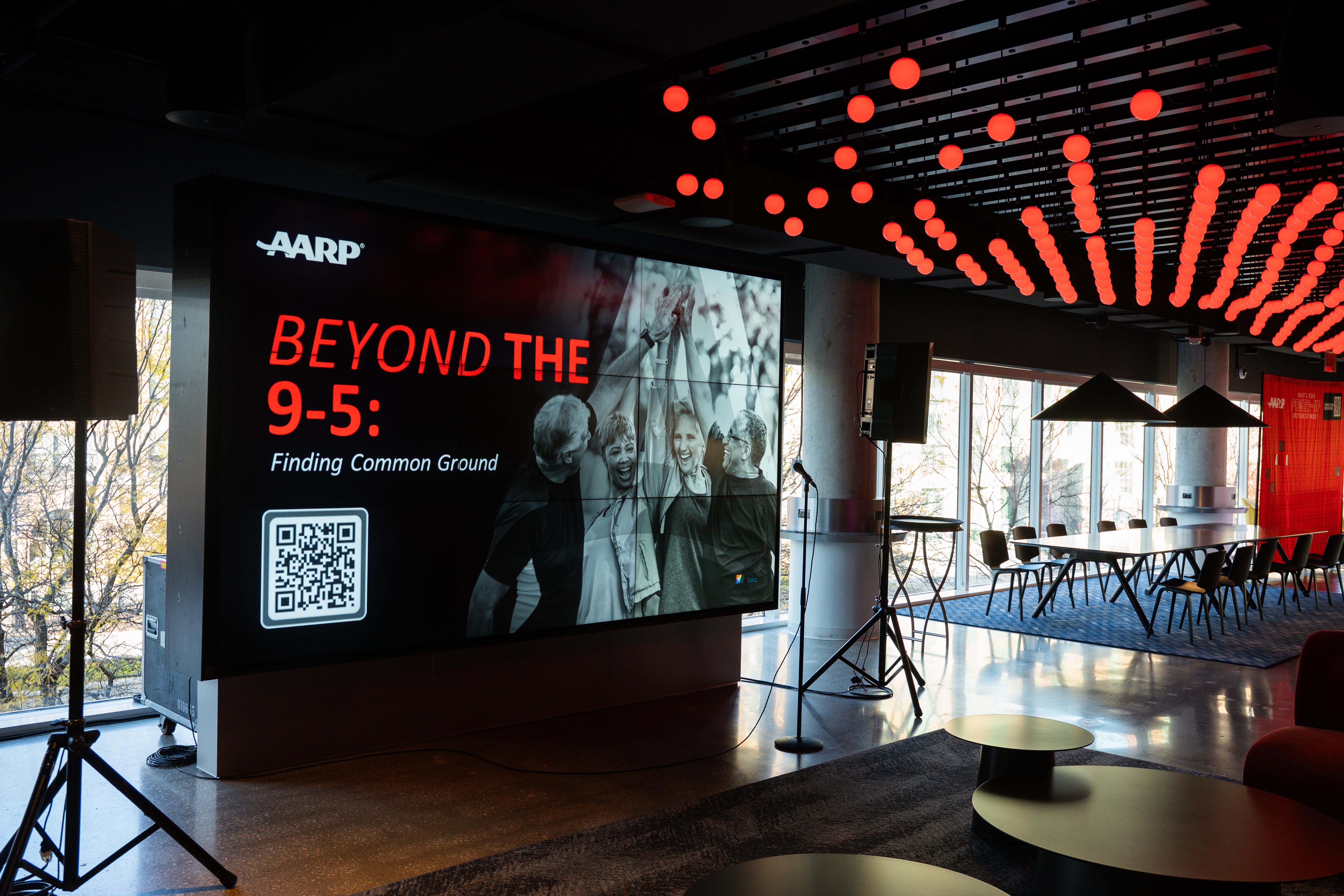
As AARP works to shift its image — who it's for, what it represents, and what it means to age — it needs to show up in spaces and conversations that its current reputation would not predict.
The challenge isn't awareness. It's relevance. And relevance, for a brand trying to reach younger audiences and reshape cultural perceptions of aging, has to be earned through presence — not advertising.
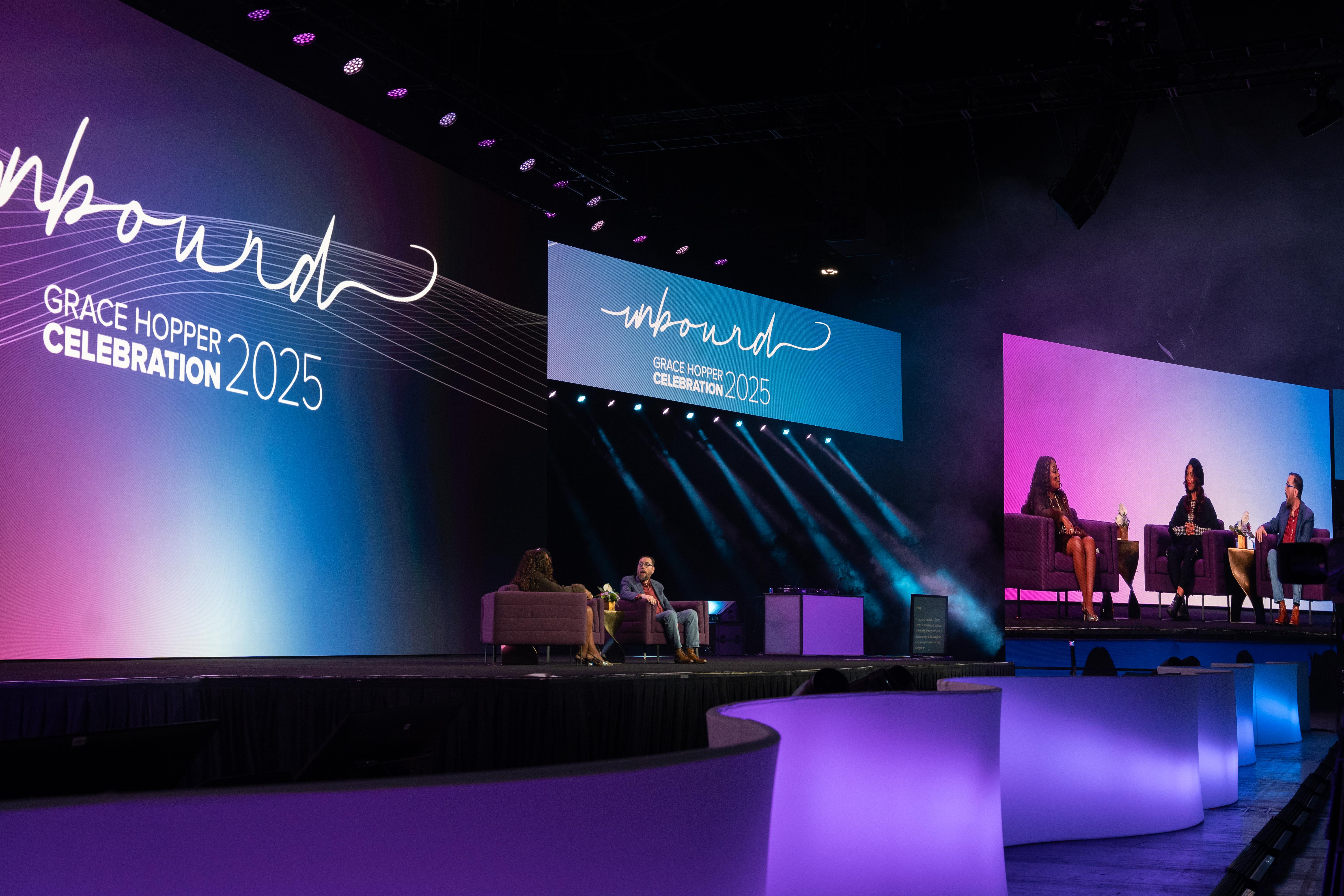
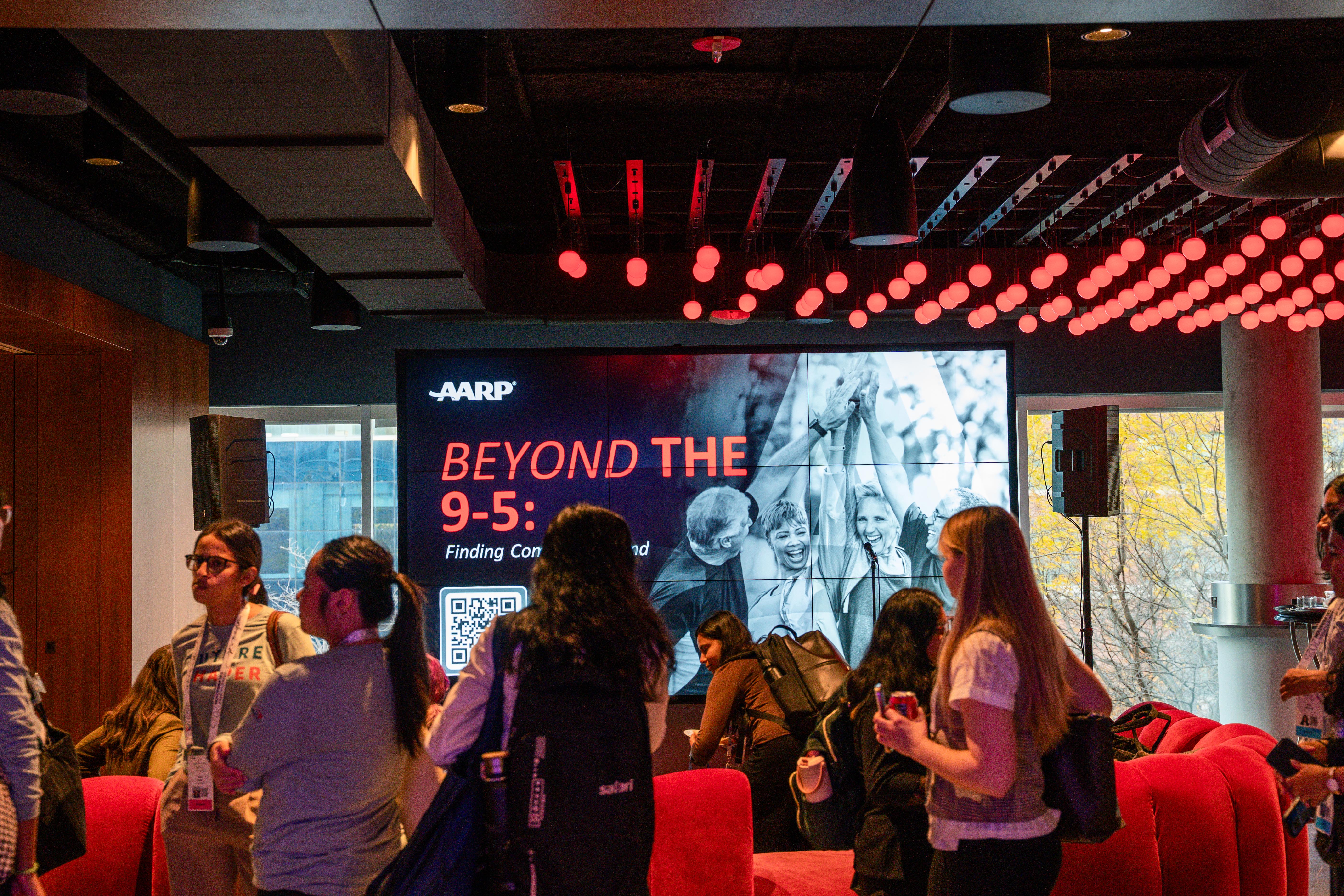
Grace Hopper Celebration — the world's largest gathering of women and nonbinary technologists — offered exactly the kind of platform AARP needed: a culturally credible, forward-looking audience that skews younger, diverse, and deeply invested in innovation, inclusion, and the future. An audience that doesn't yet think of AARP as being for them. That was the point.
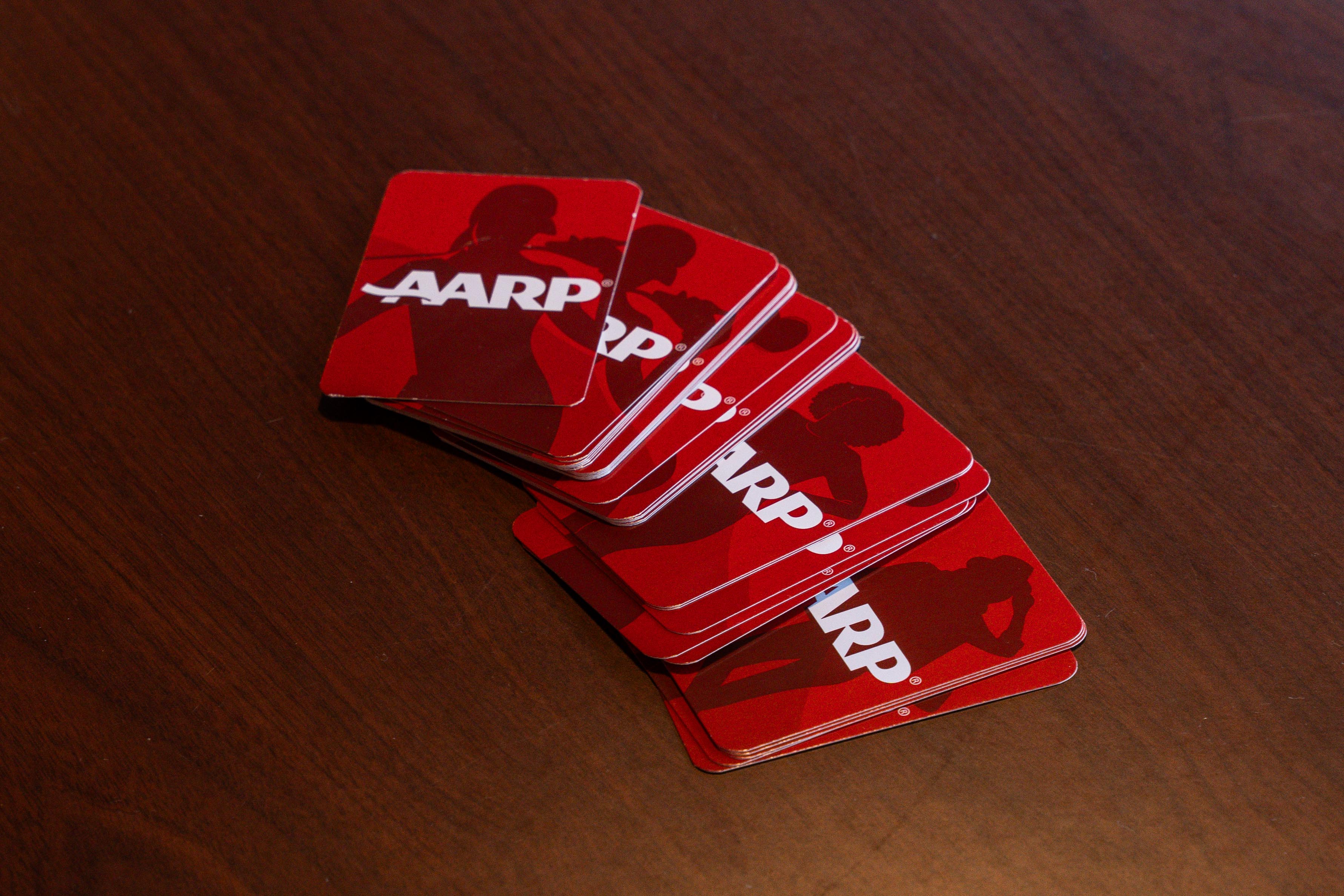
Used gaming as a cultural entry point to challenge stereotypes about aging adults and technology, explore intergenerational connection, and position AARP as a champion of inclusive innovation — on a stage where no one expected them to be.
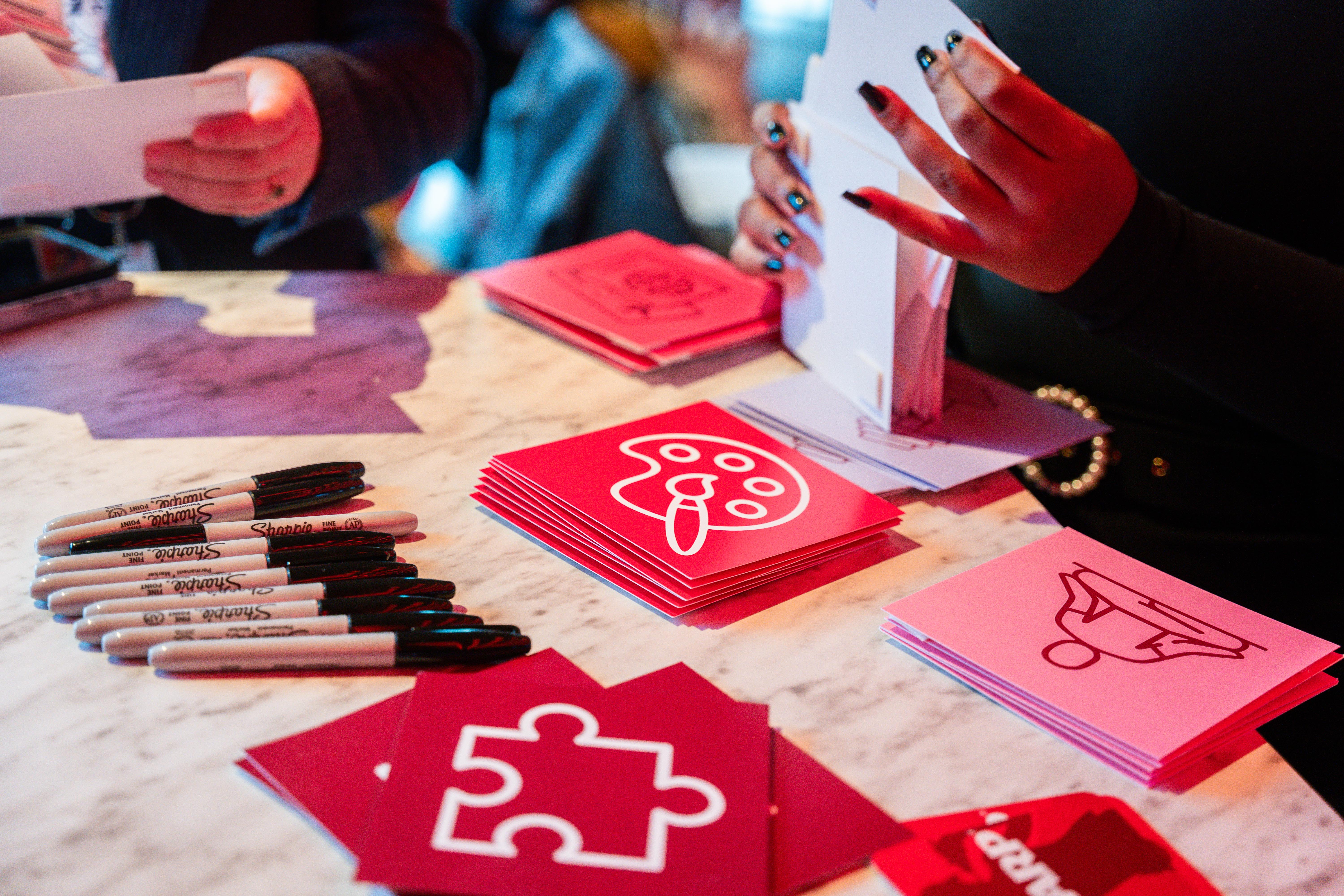
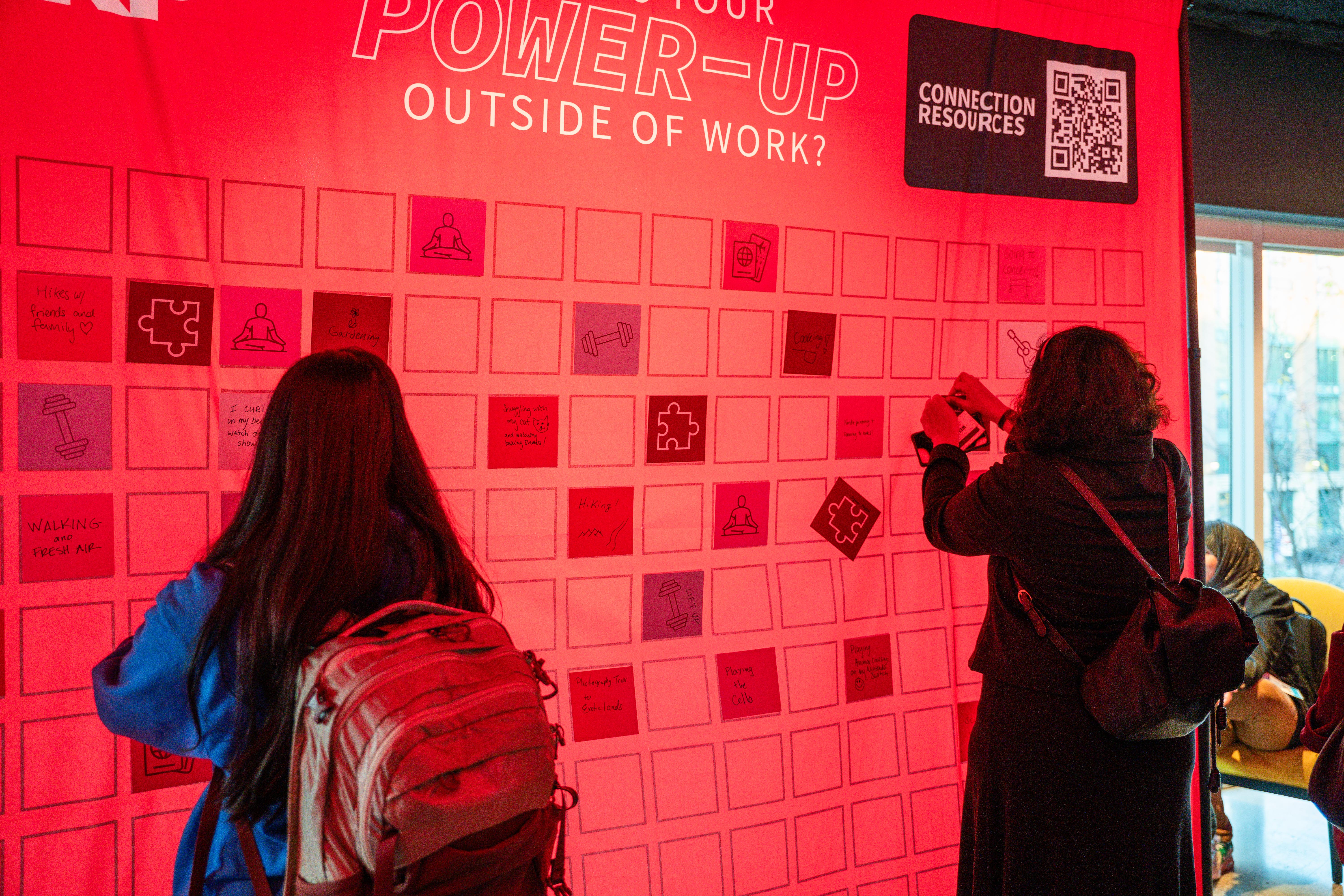
Table topic cards structured organic conversation around AARP's core pillars without ever making it feel like a brand pitch — moving beyond professional networking into the shared human experiences that connect women across generations.