Case Study · Social Commerce Strategy
CNTRL+
Winning the next wave of bladder health through social commerce.
Winning the next wave of bladder health through social commerce.
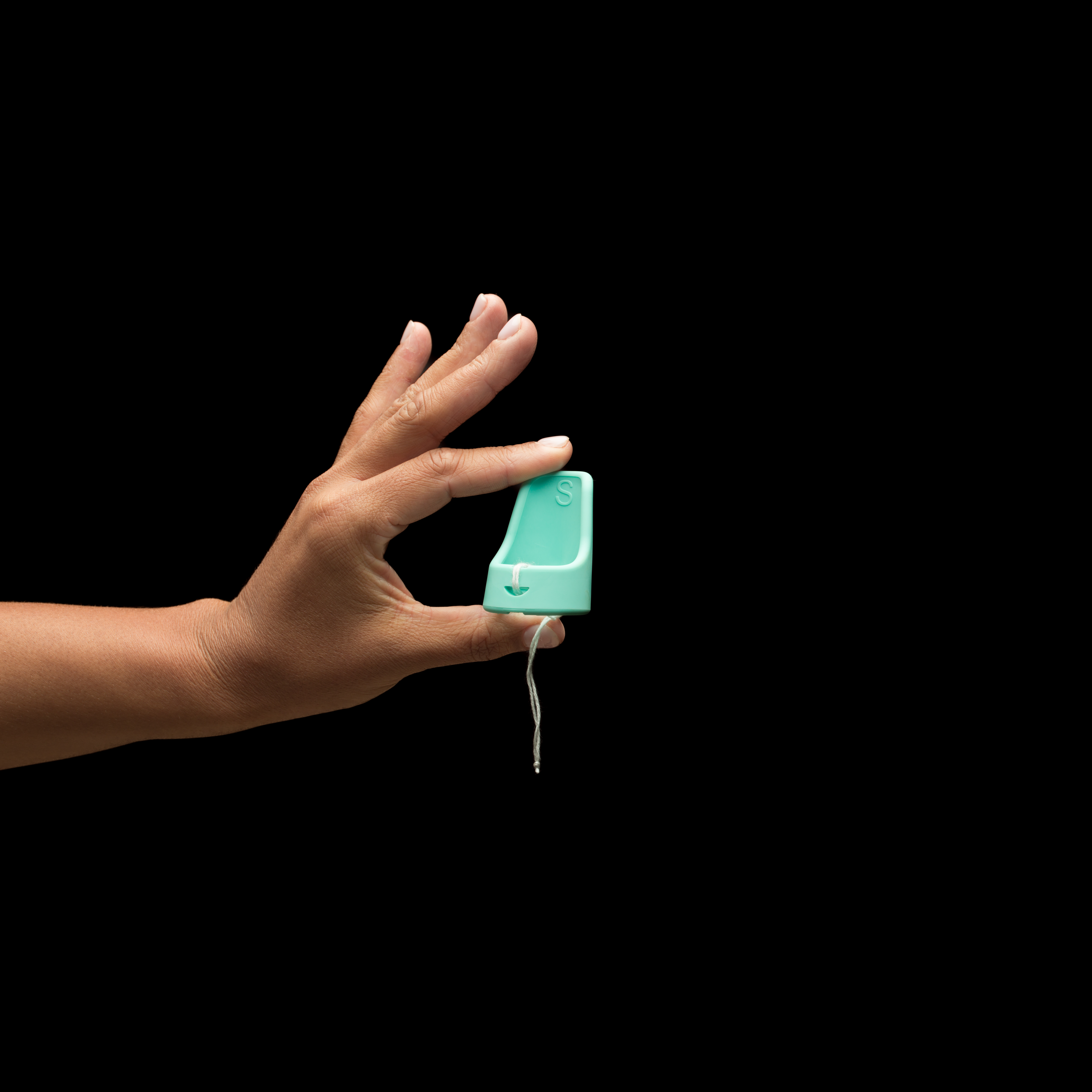
CNTRL+ is a bladder control brand competing in a growing but stigma-heavy category. The ask: develop a social commerce strategy that uses drop culture as a mechanism to increase conversion through social channels — and build real market share among high-performing urban women, not just awareness.
Drop culture — the model behind the most coveted product launches in retail — translates directly here. Scarcity, community access, and timed exclusivity don't just drive sales. They turn a product into something people want to be part of. The question was how to apply that to a category where trust is the hardest thing to earn.
The answer had to be credibility-first commerce. Not a campaign that pushes the product — a strategy that earns the right to sell it, through community, content, and context that make CNTRL+ feel discovered rather than advertised.
Three data points shaped the approach. The bladder health market is growing at 4.19% CAGR through 2029 — but that growth is outpacing women's willingness to act. Over 50% of U.S. women don't trust the healthcare systems designed to help them, so they look for a brand or a community they believe in, not a prescription. And nearly half report their pelvic health needs go unmet entirely. That's the opening. Not a product gap — a trust and positioning gap that no brand has moved into. Drop culture works here because the women we're targeting already use it to access things that matter to them. The strategy is to make bladder health one of those things.
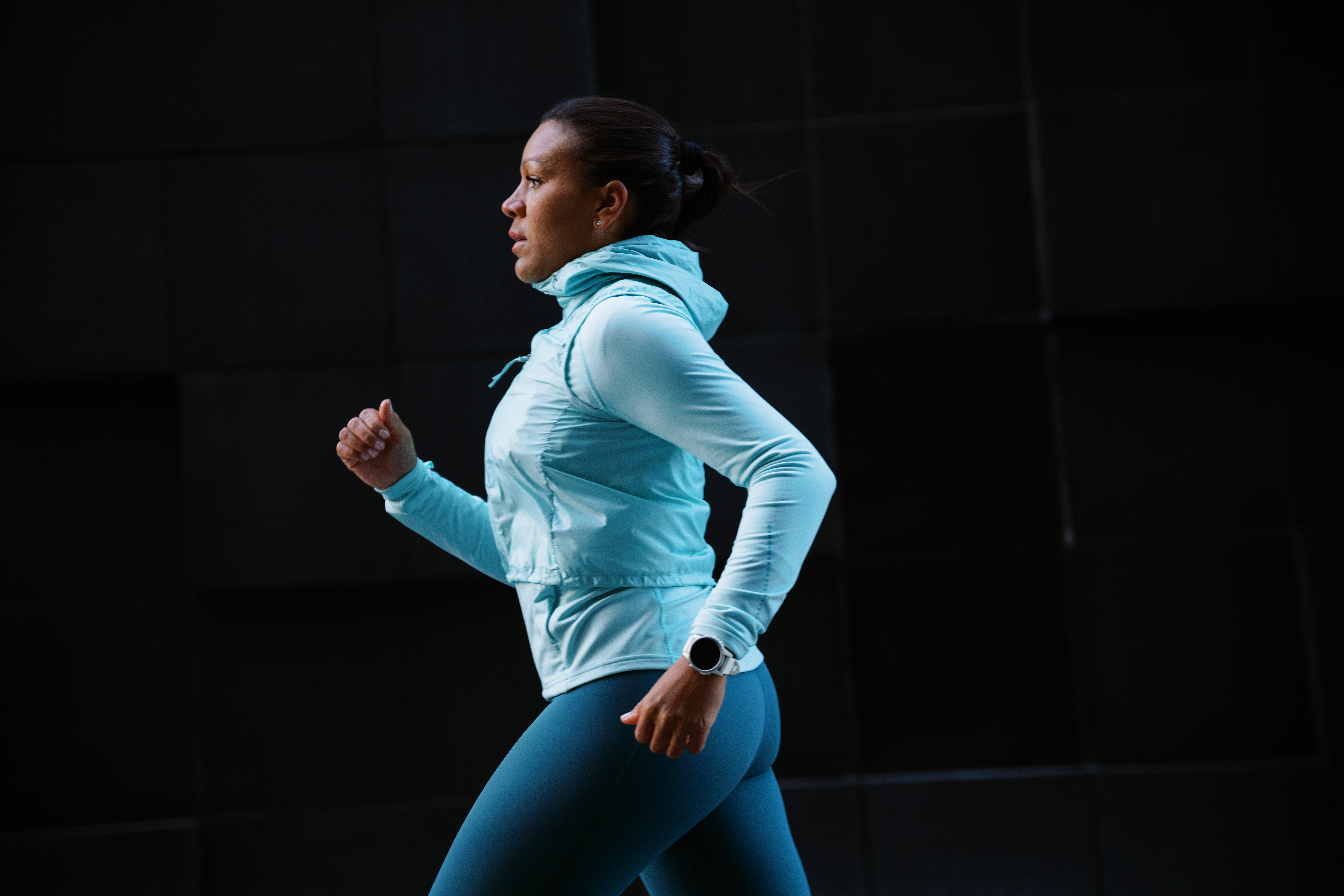
CNTRL+ needed a positioning that met high-performing women where they already are — not where bladder health brands traditionally market. The brand definition is simple: bladder health is part of your performance system. It should be treated as important and normalized as recovery, nutrition, and sleep. No brand owns that intersection of athletic performance, holistic wellness, and honest community. That white space is the strategy.
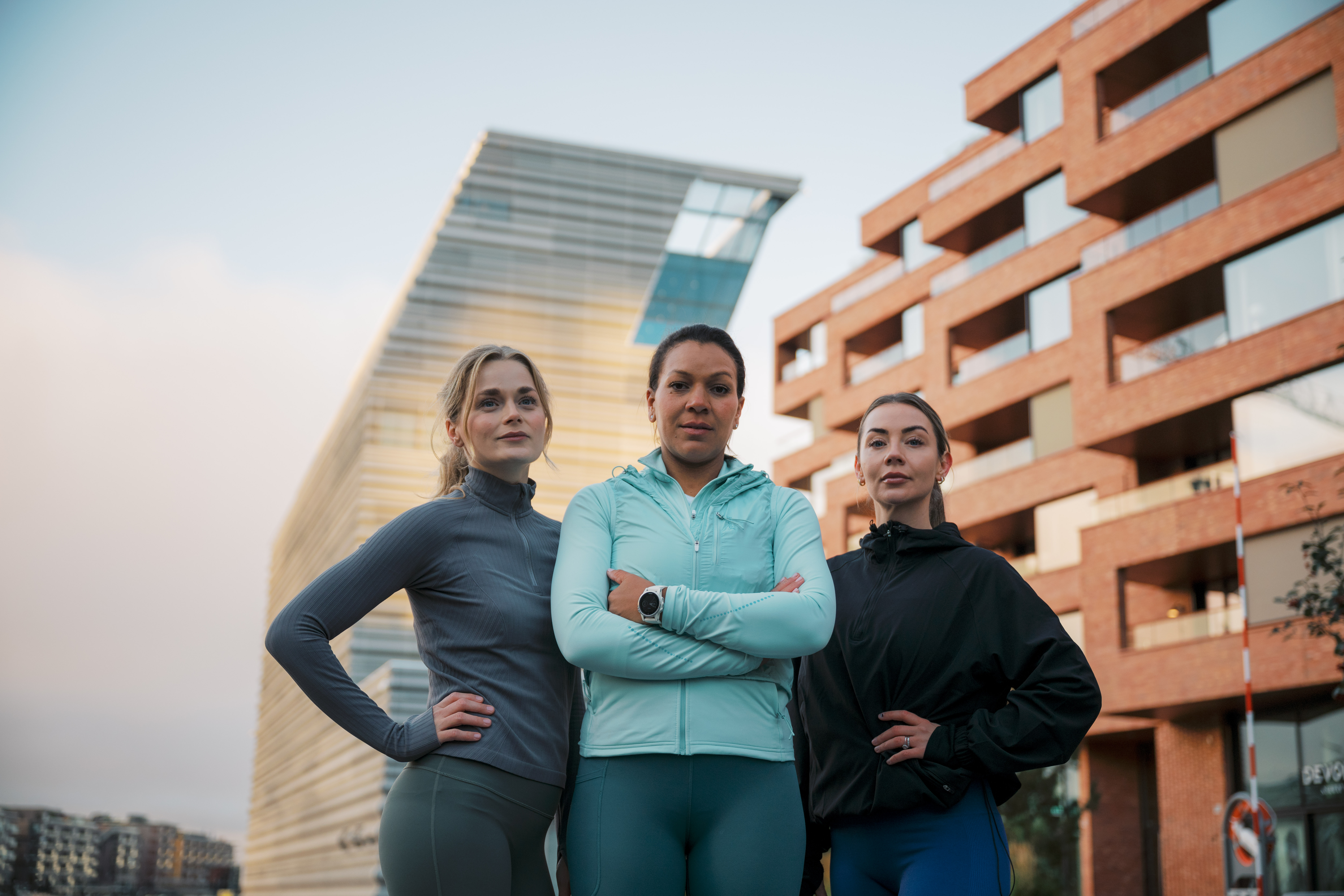
Mapped a reachable segment of 600,000 "Busy Urbanites" — 50% of 1.2M urban women's households — as the primary target. Urban stress environments directly exacerbate bladder leaks, and this group is already spending $600–800/month on premium wellness. Built a full persona: Nina Kittle, 37, Tech Product Director, Brooklyn, HHI $185K. Movement is part of her identity. Bladder leaks aren't just a physical inconvenience — for someone whose whole sense of self is built around control, that hits differently. She's not looking for something to manage the problem. She's looking for something that solves it.
The Sustain Your Power Retreat is the centerpiece — a 3-day premium wellness event for 75 high-performing women navigating life transitions, timed post–NYC Marathon, upstate New York. It's the vehicle. The engine that generates content, community, credibility, and conversion. CNTRL+ is introduced not as a sponsor — but discovered in the right context, with the right people around you. That's how trust works in this category.
Before committing to the full retreat, the strategy tests the model at smaller scale. Pilot 01 is the Sustain Your Power Takeover — partnering with 3–5 NYC women's run clubs, mommy-and-me groups, and social clubs. One speaker. One topic. One gear swap. We bring the retreat experience to communities that already exist. Pilot 02 is a pop-up pelvic floor clinic at the NYC Marathon expo — a partner doctor on site, education and product demos for the woman who just ran 26.2 miles and is thinking very seriously about her body. These pilots answer the question before we scale: does the community-first, education-led approach drive product interest?
A full 14-week launch arc — from narrative seeding with no event mention to post-event compounding over months 2–4. Phase 1 builds emotional resonance before anyone knows what we're doing. Speaker reveals in Phase 2 build different audience segments. Phase 3 activates communities with kit drops and micro-influencers who are personally in transition. Phases 4–6 convert attendees, capture press, and keep generating content, community, and customers for months — so the event doesn't end on Day 3.
Modeled three buyer scenarios against a market of 1.2M: Conservative (5,400 visitors → 810 registrations → 101 buyers), Feasible (16,200 → 3,564 → 150), and Aggressive (32,400 → 9,072 → 816). The event alone doesn't make the case — it's the catalyst. The real return comes from the top of funnel: ~180K podcast listeners, 2.1M influencer reach, 500K+ press impressions, 100K+ UGC, and 3,000+ estimated leads from women who never attended but found CNTRL+ through the content, the coverage, and the community it generated.
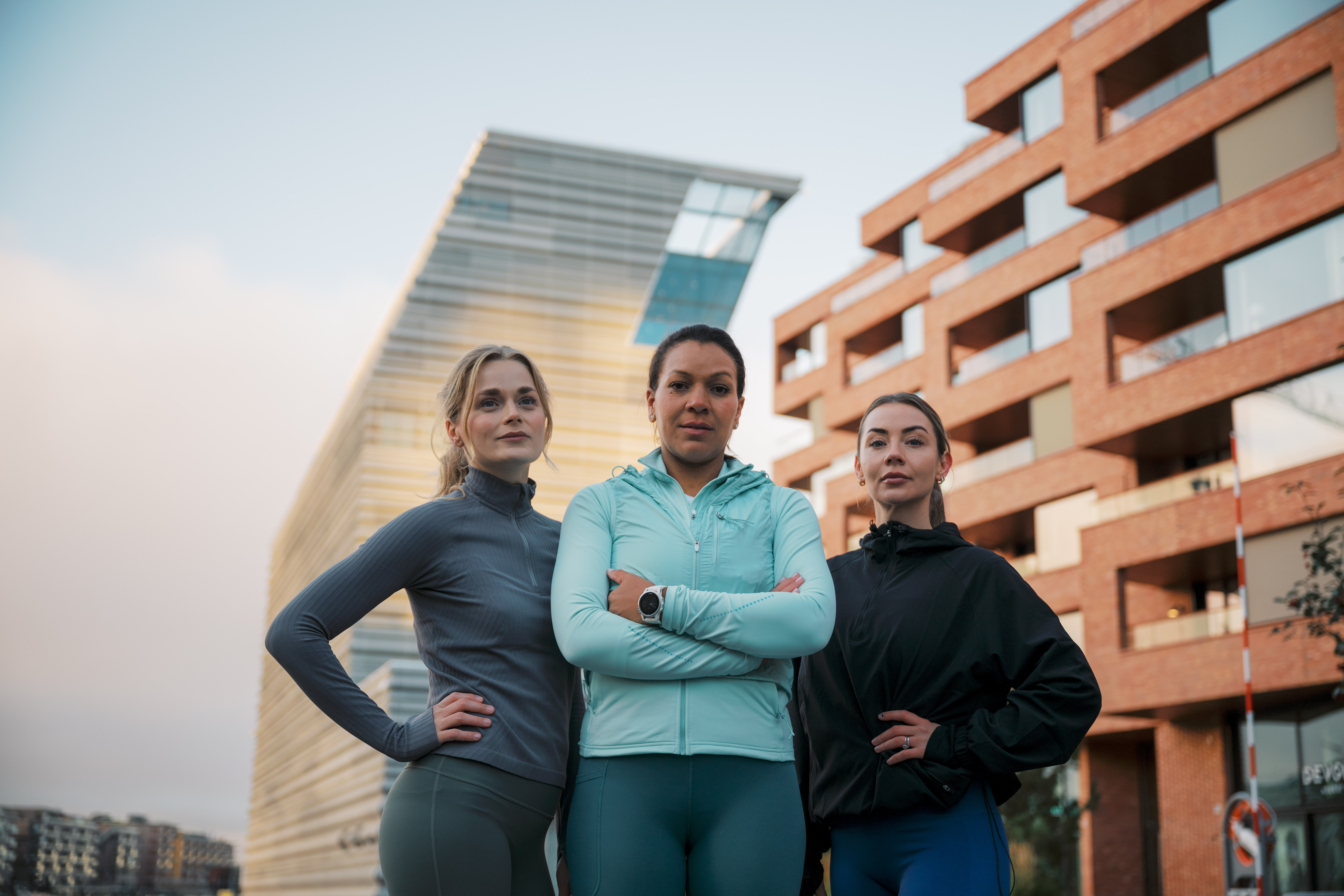
A premium 3-day wellness retreat for high-performing women navigating life's defining transitions. Not a product launch — a full-system reset that earns trust before commerce ever enters the conversation.
Each metric was chosen to measure something real — not just activity. In a trust-sensitive category, the wrong measure can make an ineffective strategy look like it's succeeding.
Is sustained visibility translating into a higher share of first-time buyers over time — without increasing ad spend?
As word-of-mouth, earned press, and community referrals compound, is the cost to acquire each new customer declining quarter over quarter?
Are women who discover CNTRL+ through the retreat buying more frequently — and does values alignment correlate with longer retention?
Podcast + press impressions, influencer follower exposure, and UGC organic reach track whether the event is scaling trust beyond the 75 women in the room.
Conservative to aggressive buyer models (101–816 buyers) set performance benchmarks that tell us which scenario the strategy is actually delivering on.
This strategy is built on the same framework that powers the most coveted products in retail: drop culture. The idea that scarcity, community access, and timed exclusivity don't just drive sales — they turn a product launch into a cultural moment. Think about the woman who sets a timer for a limited-edition Nike drop. Who camps for a Lululemon collaboration. Who enters a race lottery months in advance just for the chance to participate. She's not just buying a product. She's buying access. Identity. Belonging.
That's the energy we're bringing to bladder health. Social commerce is our fastest path to real market share — and drop culture is the mechanism that gets us there.
Brand Definition: CNTRL+ is not a medical brand. Not a pad brand. It's a performance brand — for women who handle everything and don't want to accept that this is the best it gets.
Core Belief: Bladder health is part of your performance system. It should be treated as important and as normalized as getting good sleep. As recovery. As nutrition. It's not a problem to hide — it's something you address, directly, like everything else.
The Opportunity: Nobody owns the space at the intersection of athletic performance, holistic wellness, and honest community. That white space is the strategy.
The Strategy: Create a buying experience that mirrors how high-agency women make every other premium decision — on their own terms, with the information they need, without pressure. Not manufactured hype — earned credibility.
50% of 1.2M urban households. Women who live in cities, are digitally native, and care about their health as a system. They're time-compressed. They're socially visible. And they want solutions that feel discreet, efficient, and smart. These are the women already looking for this — searching, sharing, discovering first, and telling everyone else.
37 · Tech Product Director · Brooklyn, NY
Nina is ambitious and deeply self-reliant. She holds herself to an insane standard. Movement is part of her identity — not just something she does. And here's the key thing about Nina: bladder leaks don't just feel like a physical inconvenience. For someone whose whole identity is built around being in control — that hits differently. She's not looking for a product that helps her manage the problem. She's looking for something that solves it.
Nina represents many women whose life transitions look different but whose desire to feel in control is universal — the intense executive questioning whether she can sustain this pace; the newly divorced woman navigating perimenopause and trying to rebuild her sense of self; the new mom figuring out what her body is now.
Before going all-in on a 75-person upstate retreat, the strategy tests the model at smaller scale — still tied to the NYC Marathon, still designed to prove it works before we commit to the full event.
Partner with 3–5 existing NYC women's run clubs, mommy-and-me groups, and social clubs. One speaker. One topic. One swap. We bring the retreat experience to communities that already exist — not trying to build the room from scratch. Women still move. They still bring something they've outgrown, in every sense of the word. They still leave with real knowledge and a plan. CNTRL+ shows up not as a sponsor, but as part of the product discovery moment.
A pop-up pelvic floor clinic at the NYC Marathon expo. Booth presence. A partner doctor on site. Education and product demos — made for the woman who just ran 26.2 miles and is thinking seriously about her body and recovery; the woman cheering while managing her own wins and losses; the woman who saw us on social and decided to come. What we're really testing: does the community-first, education-led approach drive product interest? Does in-person introduction accelerate trust in a way paid ads can't? The pilots give us data to prove it before we scale.
| Channel | Estimated Reach |
|---|---|
| Podcast + Press | ~2.8M combined estimated impressions |
| Influencer Network | ~2.1M combined follower exposure |
| UGC Organic | 100K+ reach via participant-led sharing |
| Content + Waitlist Capture | 3,000+ estimated leads |
| Scenario | Visitors | Registrations | Final Buyers |
|---|---|---|---|
| Conservative | 5,400 | 810 | 101 |
| Feasible | 16,200 | 3,564 | 150 |
| Aggressive | 32,400 | 9,072 | 816 |
Bladder leaks. Perimenopause. Postpartum. Burnout. These are all showing up in culture right now, in real ways.
The strategy in one sentence: A socially-driven event that creates content, community, credibility, and conversion — a customer journey designed to convert women who never attend — a long-term playbook that gets more efficient over time.