Case Study · Customer Value Innovation
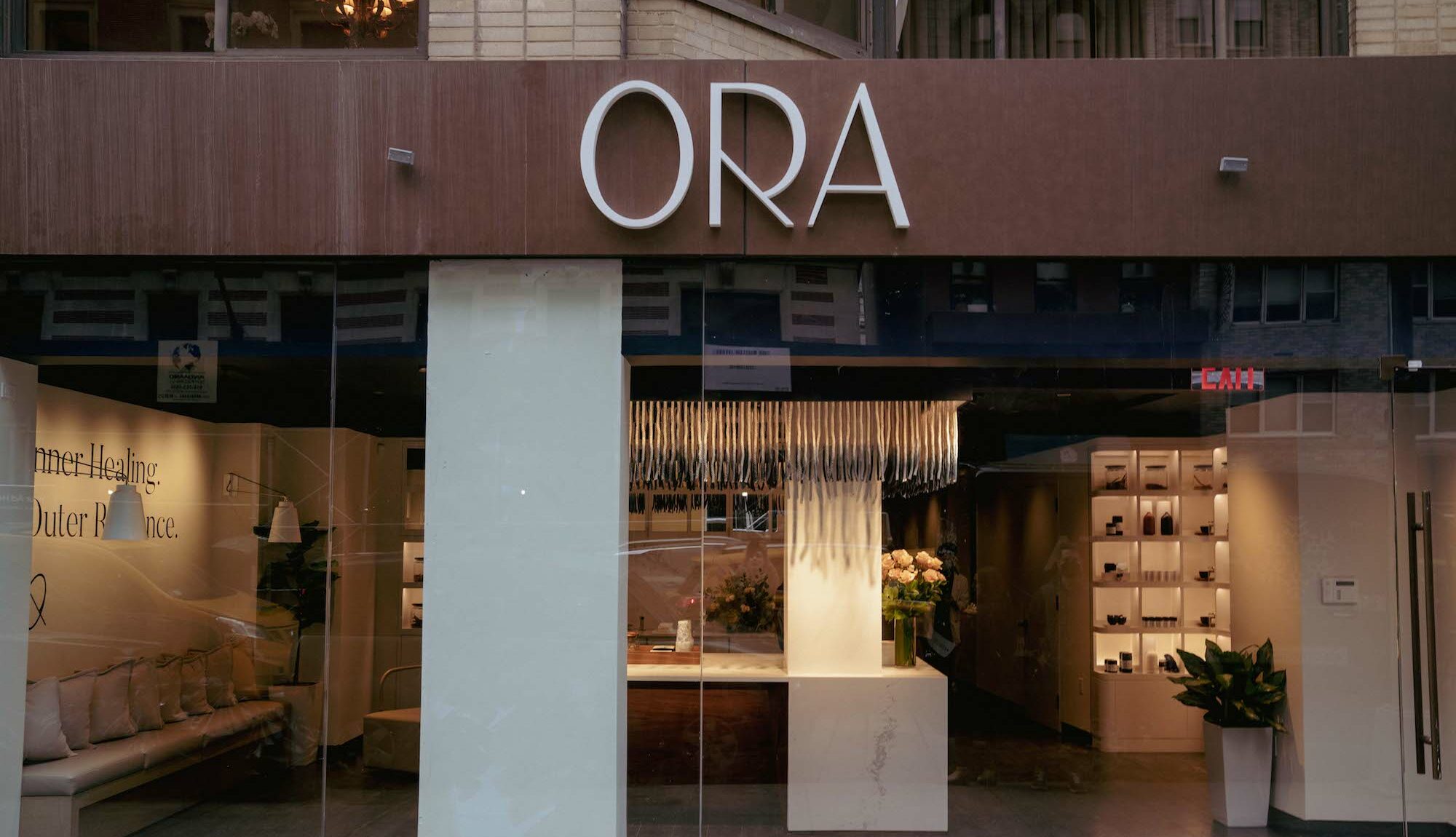
ORA
The spa that started doing the doctor's job — and why it works.
The spa that started doing the doctor's job — and why it works.
Spas sold relaxation. Doctors said "your labs look normal." Neither was enough. High-achieving women were being failed by both — too dismissed by conventional medicine to stay, too skeptical of wellness trends to commit.
ORA entered this gap with a proprietary TCM method and practitioner-first model. The question: how does it defend that position, overcome a deeply skeptical market, and double its boutique footprint — without eroding the practitioner intimacy that makes the brand work?
ORA wins not by adding services, but by doing one job — holistic, practitioner-led healing — better than anyone else. Its moat is defensible because it lives in relationships, not menus.
The innovation isn't acupuncture. The innovation is the context — ancient Chinese medicine applied to the jobs conventional medicine was failing: fertility, chronic pain, anxiety, sleep. Wrapped in a membership model that turns occasional treats into non-negotiable maintenance.
Neither Wthn nor The Well owns ORA's position. Wthn prioritizes clinical results without explaining the process. The Well leans toward exclusivity over outcomes. ORA alone holds clinical trust + practitioner intimacy + founder-driven brand depth.
For high-achieving women whose doctors have failed them, ORA is the only wellness brand that delivers real health outcomes — built around a proprietary TCM method and practitioners who actually listen.
ORA enters the market at a moment when trust in conventional medicine is declining and demand for holistic alternatives is accelerating — especially among women.
Two friction moments block growth before boutique expansion is viable. Every strategy should map to one of these — or it's not worth investing in.
As Christensen notes, customers don't buy products — they hire them to make progress in a specific circumstance. ORA's customer hires it for three jobs simultaneously:
| Age | 39 · Marketing Director · New York, NY · Married, two kids · HHI $400K+ |
| Her World | High-performing, time-poor, and quietly exhausted. Balancing a team, a household, a social calendar, and a wellness routine she refuses to compromise on. |
| Her Frustration | "Your labs look normal." She's been told this while feeling anything but. She wants a practitioner who listens and a practice she can trust — not one more specialist who dismisses her. |
| Why She Converts | She found ORA at the exact moment she was searching for a better answer. Weaker trust in conventional medicine + a desire to optimize health created the conditions for ORA to become non-negotiable maintenance. |
Selecting and retaining acupuncturists who build deep, ongoing relationships — not just perform treatments. When a practitioner knows your history, switching feels like starting over. ORA embeds loyalty through intimacy.
A trademarked, evidence-based approach bridging Eastern medicine and clinical legitimacy. ORA's method isn't a service menu — it's a philosophy that can't be replicated by adding acupuncture to a spa's existing offerings.
One relationship, one place, handling multiple health concerns — without the overwhelm of managing a specialist roster. Ancient Chinese medicine recast as evidence-based, frictionless care.
Upper East Side and NoHo signal exclusivity and discernment. The founder didn't build ORA to enter wellness — she built it because wellness failed her too. That authenticity is impossible to manufacture.
| Old Rule | ORA's Move |
|---|---|
| Spas just fix the outside | ORA addresses internal systems: pain, hormones, nervous system |
| Wellness is a non-essential treat | Wellness is maintenance that's non-negotiable and recurring |
| Services don't need clinical credibility | Ancient Chinese medicine recast as evidence-based care |
| Masseuses or doctors — but not both | Deeper than a masseuse, more invested than a doctor |
For high-achieving, health-conscious women whose doctors have failed them, ORA is the only wellness brand that delivers real health outcomes, because it is built around a proprietary TCM method, curated practitioners who go deeper than a masseuse and further than a doctor.
Network: Leverage OBGYNs, fertility specialists, and functional medicine doctors as a referral network. A doctor's endorsement can overcome skepticism that ORA's own marketing can't.
Extended Care: Like a doctor, the treatment relationship shouldn't end at checkout. Post-session check-ins, personalized education, and follow-up plans convert first-timers into members before the habit fades.
| Tactic | Purpose | Signal |
|---|---|---|
| Community Open House | Social, low-stakes evenings. No upfront commitment — just a chance to build trust. | Conversion rate |
| Physician Referral Network | Aligned doctors recommend ORA before more drastic measures. Overcomes skepticism marketing can't. | Conversion rate + margins |
| Client Referral Program | Formalize word of mouth — turn retained members into the primary acquisition channel. | Referral vs. non-referral conversion |
| Practitioner-Forward Content | Lead with the acupuncturist's face and credentials. The practitioner is the product. | CAC: organic vs. paid |
| Condition-Specific Messaging | Don't market "acupuncture." Market the outcomes via trusted creators: "finally sleeping through the night." | Cost per first booking |
| Pop-Up / Seasonal Locations | Test demand in new markets before committing to permanent boutique overhead. | Incremental revenue |
| Tactic | Purpose | Signal |
|---|---|---|
| Practitioner-Led Treatment Plan | The acupuncturist recommends membership — not a salesperson. Trust does the selling. | Membership conversion rate |
| Structured Follow-Up | Check-ins after session 1 reframe membership as the logical next step toward actual progress. | Membership conversion rate |
| Personalized Education | Condition-specific resources sent after the first session reinforce listening and expertise. | Second-booking rate |
Every post should build trust in the practice, trust in the practitioner, or trust in the outcome.
| Stage | Offer | CTA |
|---|---|---|
| Awareness | Condition-specific content (sleep, fertility, pain) | "See how acupuncture could help your sleep, pain, or fertility" |
| Consideration | Practitioner Q&A or free consult | "Meet your acupuncturist and start feeling like yourself again" |
| Trial | Introductory first-session rate | "Start with a first session and feel the difference" |
| Conversion | Practitioner-led treatment plan | "Keep your progress going with membership" |
| Advocacy | Referral program | "Share ORA with a friend who deserves to feel better" |
ORA is ready to scale when trial and membership conversion trend up. That proves the model is repeatable and gives ORA permission to grow without eroding the practitioner intimacy that makes the brand work.
Christensen et al. (2016). Jobs to be done. HBR. · Ersek, Keller, & Mullins (2015). Break your industry's bottlenecks. HBR. · Keeley et al. (2013). Ten Types of Innovation. Wiley. · Lambert (2023). Growing luxury healing at ORA. HBS Publishing. · Simester (2016). Why great new products fail. MIT Sloan. · McKinsey (2024). The trends defining the $1.8 trillion global wellness market. · Mintel (2025–2026). Managing common illness; Approach to health management; Millennials and health. · Statista (2019, 2024). Healthcare trust by gender; Unmet needs in women's health.