Case Study · Pricing Strategy
TOPICALS
Rethinking value in a crowded skincare market.
Rethinking value in a crowded skincare market.
Topicals is a skincare brand that built its following on radical honesty, community, and Gen Z culture. Now, the brand is at an inflection point — and the CMO wants a pricing and incentive strategy that accounts for a shifting competitive landscape, where the product lives in its lifecycle, and how the channel mix is evolving.
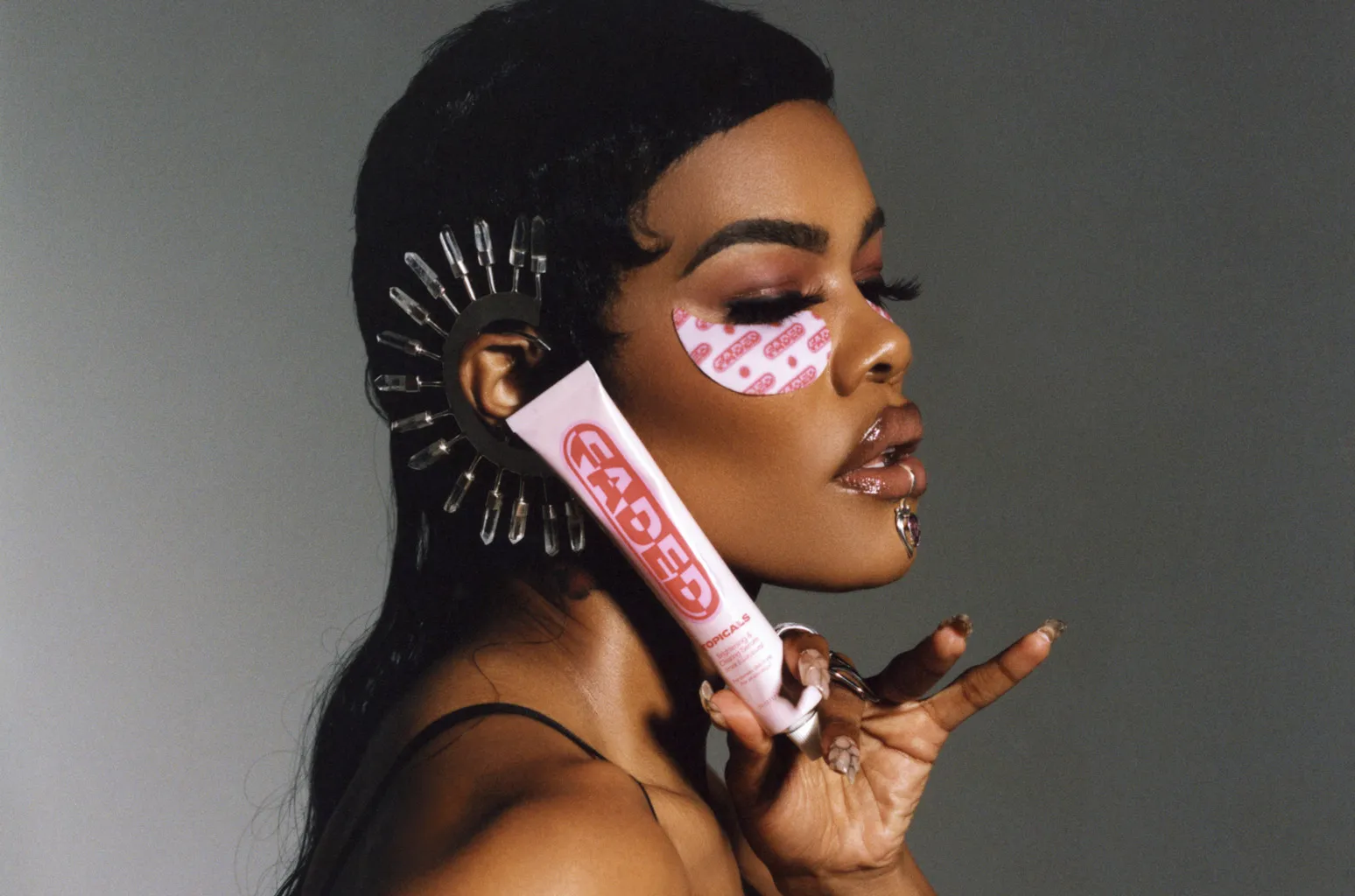
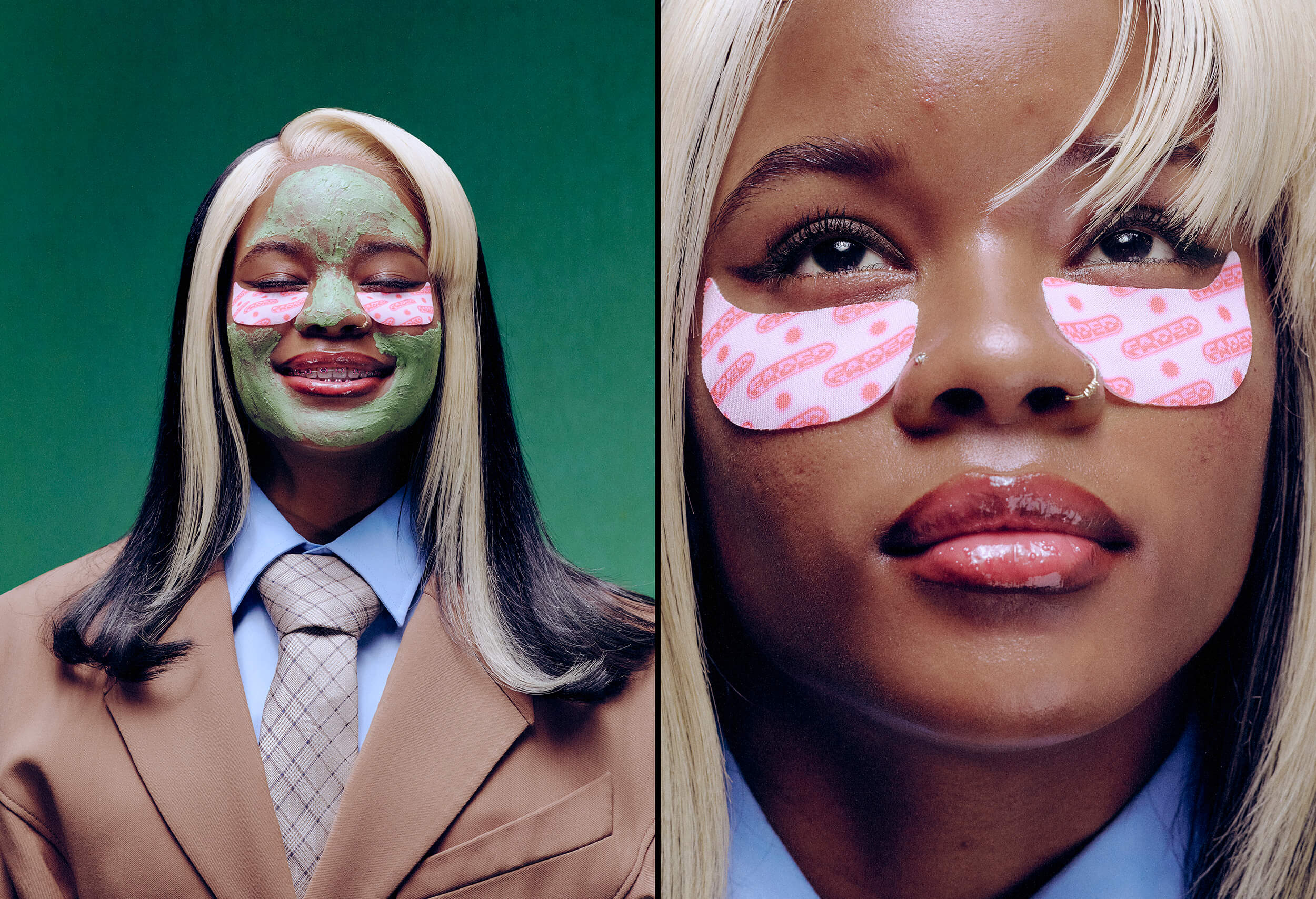
For this case study, I focused on the Topicals Faded Under Eye Patches — a product that already had momentum: a loyal Gen Z following, cultural cachet, clinical credibility, and organic buzz.
The question wasn't whether the product had earned its place. It was how to price and position it in a way that protects what made it special while setting it up for the next chapter of growth.
After some research, I identified three tensions I had to balance. A straightforward price increase risked alienating a price-sensitive audience. Leaning too hard into accessibility risked flattening the brand's premium positioning. And pushing the product as a daily essential would have contradicted its core value: an immediate fix that works instantly. So the real question became: how do you grow a brand that's already cool — without making it cheap or inaccessible?
Mapped pricing across the full competitive set — Pixi BeautifEYE, Peace Out, Patchology, Peter Thomas Roth, Ole Henriksen, Kiehl's, and The INKEY List — to identify where Topicals lives and where it could lead. Close competitors cluster at $20–$30, creating a hard ceiling for casual, situational use. The goal was to find the white space between clinical efficacy and community currency.
Analyzed how Topicals' core consumer — Gen Z and early millennials — thinks about value. Examined this audience's price thresholds and what drives willingness to pay: not just clinical results, but cultural relevance and the feeling of being in on something. Price-sensitive on non-essentials, but willing to stretch for products that feel like a statement.
The base SKU holds near its current price point — close enough to the customer's reservation price to protect volume, with a modest $2 test increase to begin capturing pricing power. Growth comes from above and beside it: limited-edition collaborations at premium price points, curated bundles built around use occasions, and low-cost add-ons to drive trial and conversion.
The most distinctive recommendation was in distribution. Instead of leaning further into beauty retail — where competition is dense and price sensitivity is high — I recommended piloting expansion into culture-first retail: streetwear and lifestyle partners like Kith, BAPE, and Urban Outfitters. Environments where Topicals' cultural positioning is a differentiator, competition is low, and they can reach entirely new audiences.
Every tactic was paired with a specific metric — not to check a box, but because the wrong measure can make a bad strategy look like it's working.
Tells us whether bundles are actually changing spending behavior — or just repackaging what customers were already going to buy.
Addresses the real risk of a low-cost entry point: attracting one-time buyers who never come back. Conversion to full-size purchase is the signal that trial is becoming real demand.
Keeps the social commerce investment honest — measuring whether social-first customers actually return at a rate that justifies the spend.
Ensures collaborations are evaluated as business decisions, not just cultural moments. The revenue lift has to survive the cost of making it happen.
The proof of concept for the distribution bet. If culture-first retail is reaching a less price-sensitive customer, we should see it in how much they spend.
Protect base pricing: Hold the core SKU near current pricing in the mid-$20s, aligned with the customer's $20–$30 reservation price, and test a lift to $24.
Capture incremental revenue through:
Focus on increasing occasions, not frequency — reinforcing the product's value as an immediate solution and attracting eye cream users seeking additive on-the-go options.
| Brand + Product | Price | Notes |
|---|---|---|
| Topicals Faded Under Eye Masks | $22 | Mid-priced, brightening and discoloration focus. |
| Pixi BeautifEYE Brightening Eye Patches, 60 ct | $24 | Main competitor. Similar price, significantly more pairs per jar. |
| Peace Out Puffy Under-Eye Patches | $29 | More expensive. Focused on puffiness and smoothing. |
| Patchology FlashPatch Eye Gels, 30 pairs | $55 | Much more expensive. Anti-puffiness positioning. |
| Peter Thomas Roth 24K Gold Eye Patches | $75 | Prestige tier. Anti-aging specific, different core audience. |
| Ole Henriksen Banana Bright+ Eye Crème | $46 | ~2× Topicals' price. Anti-aging and dark circles. |
| Kiehl's Dark Circle Reducing Vitamin C Serum | $62 | Takes 7 days to work. Loss of firmness and dark circles. |
| The INKEY List Brighten-i Eye Cream | $14 | Cheaper than Topicals and most premium eye creams. |
| Channel | Benefits & Tradeoffs |
|---|---|
| Topicals Website | Direct promotions, bundles, limited editions, free shipping thresholds. Limited discovery — customers must already know the brand. |
| Sephora (online & in store) | Premium-but-accessible positioning, loyalty programs encourage spend, high-intent skincare shoppers, new audience discovery. More competition, less control. |
| TikTok Shop & Instagram | Real-time efficacy demonstration, social proof, reduced purchase friction. Platform algorithms may cause shifts in visibility and traffic. |
| Amazon | Broad reach, convenience-driven discovery. Harder to communicate cultural and emotional value. Intense price competition. |
Topicals is capturing share from eye-cream users, but has not replaced long-term eye-cream routines at scale. The product's role as a situational, incremental solution enables additive usage rather than forcing substitution.
Topicals is also expanding the category by attracting consumers who historically avoided under-eye care due to anti-aging positioning, but are increasingly investing in self-care rituals.
Eye creams may appear to offer more value due to larger volume and higher price, but they lack the immediate, multi-benefit results that drive Topicals' use case.
The closest competitor is Pixi BeautifEYE Brightening Eye Patches, which offers significantly more units at a similar price point — but without Topicals' combined clinical credibility, inclusive positioning, cultural relevance, and experiential value.